The Digital Shift In Modern Healthcare
The way we interact with healthcare is changing significantly. Technology is making healthcare more convenient and accessible, moving it from clinics into our homes. Digital platforms offer new ways to manage our health, talk to professionals, and get treatments. This shift is changing what patients expect and giving people more control over their well-being.
The Rise of Telemedicine
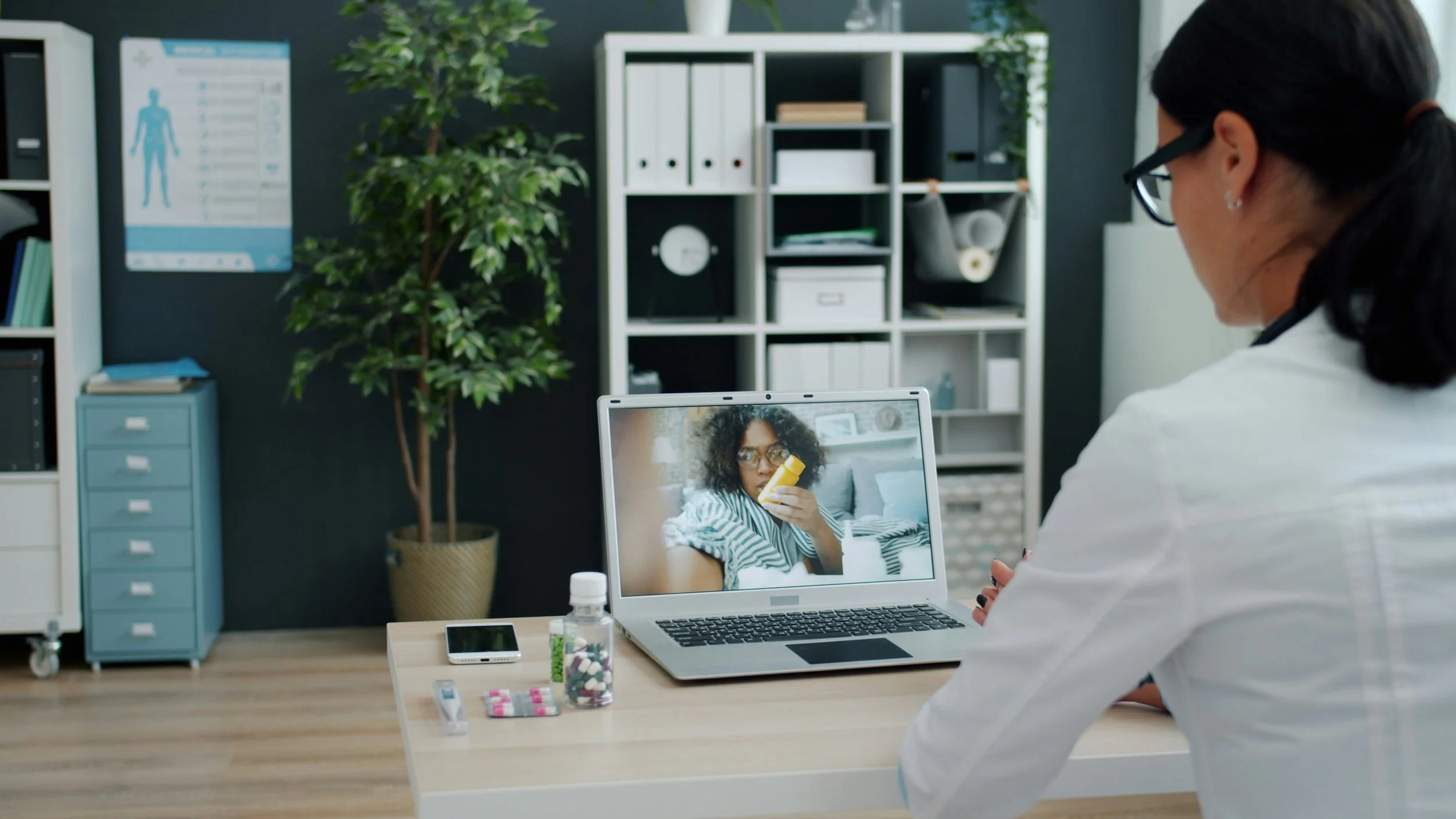
Telemedicine, which provides clinical care remotely through technology, has evolved from a niche service into a common healthcare option. Patients can now talk to GPs and specialists from home using video calls, secure messages, and mobile apps. This approach proved its worth during the global pandemic, but its benefits go beyond just convenience. It cuts down on travel time and costs, reduces time away from work, and offers crucial support for people with mobility issues or those in remote areas. The expanding role of telemedicine in healthcare isn't just replacing in-person visits; it's enhancing them, making the system more flexible and responsive.
Online Access to Essential Prescriptions
One of the most practical uses of digital health is how it simplifies prescription management. For people with long-term conditions or those needing ongoing medication, being able to consult a doctor and have prescriptions sent directly to a pharmacy or their home is a big improvement. This process reduces administrative work and ensures care continues smoothly. Digital platforms now support everything from routine medication renewals to accessing specialist-led care, including obtaining a testosterone prescription online, as part of an ongoing treatment plan, helping patients manage their healthcare efficiently and privately. This digital-first method is especially helpful for those who struggle to get consistent care through traditional means.
Bridging Gaps in Specialist Care
Getting specialist medical advice has often been hard due to location and long waiting lists. Digital health platforms are breaking down these barriers. Patients can now connect with experts in areas like dermatology, cardiology, and mental health, no matter where they are. This is vital for getting timely diagnoses and specialised treatment plans. While there are discussions about whether telemedicine is bridging gaps or creating new divides, its potential to make expert advice available to more people is clear. For many, it opens up medical knowledge that was previously out of reach, leading to better health outcomes.
Data Security in Digital Health
When sensitive health information moves online, data security becomes a top concern. Reputable digital health providers invest heavily in strong security measures to protect patient privacy. This includes using end-to-end encryption for communications, secure servers for data storage, and strict compliance with data protection rules like GDPR. When choosing a digital healthcare service, it's important to check its privacy policies and security credentials. Patients should feel confident that their personal health information is handled with the same care and confidentiality as it would be in a physical clinic.
Future of Patient-Centred Technology
Digital health is still evolving. The future promises even more integrated and personalised patient care. Wearable technology, like smartwatches and fitness trackers, already provides continuous health data that can help people and their doctors monitor conditions such as heart disease and diabetes in real time. Artificial intelligence will also play a bigger role, helping with diagnoses and creating personalised treatment plans based on an individual's unique genetic and lifestyle data. These advances suggest a future where healthcare is not only more accessible but also more proactive and tailored to each person.
Ultimately, bringing technology into healthcare is helping patients become more active in managing their own health. As these digital tools keep improving, they offer the promise of a more efficient, accessible, and personalised healthcare system for everyone.